• English
  • 简体中文
  • 繁體中文
  • Tiếng Việt
  • ไทย
  • Indonesia
Subscribe
Real-time News
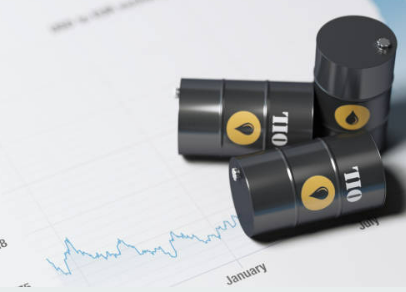
July 28 - According to Axios, senior U.S. officials believe that economic sanctions could ultimately cause more damage to the Tehran regime than a military strike. U.S. intelligence and open-source media reports point to a deepening economic crisis within Iran, including gasoline shortages in one of the worlds richest oil-producing nations. A senior U.S. government official stated, "The Iranians want to stop being bombed, and they want money. But the priorities are almost reversed—their real priority is money." Another U.S. official acknowledged that sanctions and a naval blockade would take much longer than bombing to force Tehran back to the negotiating table—and Trump has so far not approved a full-scale bombing campaign. This extended front could increase the political risk for Republicans, forcing them to defend an unpopular war and high oil prices during the midterm election campaign.Japans Topix index fell further to 2%.According to Axios, U.S. officials believe that economic sanctions could cause more harm to Iran than bombing.July 28 (Futures News) – According to foreign media reports, Chicago Board of Trade (CBOT) corn futures closed lower on Monday, with the benchmark contract down 2.9%, mainly reflecting the plunge in crude oil futures following the pause in the US-Iran conflict. Oil prices fell to their lowest point in a week on Monday. The USs sudden suspension of airstrikes against Iran over the weekend boosted hopes for a diplomatic solution to the conflict, de-escalation, and the resumption of shipping in the Strait of Hormuz. Agricultural product prices are typically influenced by the energy market, especially given the rapid growth in demand for agricultural products in biofuel production. One analyst stated that improved weather in the US Midwest was also a factor contributing to the plunge in futures prices. Commodity Weather Group indicated that temperatures in the Midwest are expected to ease after the weekends high temperatures, and upcoming rainfall will help alleviate drought pressures in agricultural areas.July 28 (Futures News) – According to foreign media reports, soybean oil futures on the Chicago Board of Trade (CBOT) closed sharply lower on Monday, with the benchmark contract down 3.4%, hitting a two-week low, mainly dragged down by a plunge in crude oil futures. Crude oil prices plummeted in response to the Trump administrations suspension of the war on Iraq, hoping to reach a peaceful solution through diplomatic means and reopen the Strait of Hormuz; Brent crude futures fell nearly 9% that day. Soybean oil is a key raw material for biofuel production and is therefore frequently affected by fluctuations in the crude oil market.

Gold Prices Are at A 6-week Low as The FOMC Minutes Approach

Aria Thomas

Feb 22, 2023 11:57

g2.png


Gold prices stayed just above a six-week low on Wednesday, as markets remained cautious ahead of the release of the minutes from the Federal Reserve's February meeting and stronger-than-anticipated U.S. economic data bolstered the dollar.


In the wake of stronger-than-anticipated January inflation figures, bullion prices traded within a narrow band throughout the week. Along with indicators of resilience in the U.S. economy, they provide the Fed with sufficient space to continue rising interest rates.


At 19:13 E.T., spot gold was unchanged at $1,835.83 per ounce, while gold futures increased 0.1% to $1,845.70 per ounce (00:13 GMT). It is widely anticipated that the Fed's aggressive tone would be reaffirmed in the minutes due later in the day.


This week, the Fed's favored inflation indicator, the Personal Consumption Expenditures price index, will be released on Thursday. It is anticipated that the index stayed quite high in January.


Increasing interest rates are unfavorable for non-yielding assets such as gold and other precious metals because they boost the dollar and Treasury yields and the opportunity cost of owning gold.


The U.S. PMIs for February were also better than anticipated, according to statistics released on Tuesday. Any evidence of resilience in the U.S. economy offers the Fed greater room to continue raising interest rates, as the bank has said it would do in the near future.


But, fears about a potential U.S. economic downturn continued, especially in light of Tuesday's statistics showing a weakening housing market.


Other precious metals maintained a narrow trading range on Wednesday. Futures for platinum increased 0.1% to $945.95 per ounce, while futures for silver increased marginally to $21.900 per ounce.


Copper futures rose substantially on Tuesday as a result of the U.S. PMIs that were stronger than anticipated.


On Wednesday, high-grade copper futures stayed near a three-week high of $4.2170 per pound, following a 0.8% increase in the previous session.


The red metal was also boosted by confidence over China's economic rebound, particularly after the country maintained record-low interest rates this week.