• English
  • 简体中文
  • 繁體中文
  • Tiếng Việt
  • ไทย
  • Indonesia
Subscribe
Real-time News
Holding rates steady: 1. Mitsubishi UFJ: Expects the Fed to maintain rates unchanged in a hawkish tone, emphasizing that inflation risks remain high. 2. Goldman Sachs: From a longer-term perspective, expects the Fed to keep the federal funds rate unchanged until the end of the year. 3. Wells Fargo: Easing inflation in June provides the Fed with an opportunity to extend the pause in rate hikes and await more data; rates are expected to remain unchanged. 4. BNP Paribas: Expects the Fed to hold rates steady, but cannot completely rule out the possibility of an unexpected rate hike. The statement will reflect a willingness to act if necessary. 5. CIBC: A series of data, including CPI and non-farm payrolls, are sufficient for the Fed to hold rates steady this time, but expectations for a September rate hike have been rising. 6. eToro: Expects the Fed to maintain rates unchanged, but may hint at a willingness to raise rates at future meetings. The tone is tightening, and inflation rhetoric is expected to be more hawkish. 7. Natixis: The Fed will choose to hold rates steady; Warsh is unwilling to risk disrupting the improving labor market trend, although the market still has nearly 40% of expectations for a rate hike. 8. Citigroup: Maintains its expectation that the Fed will keep interest rates unchanged this week. Warsh previously stated that he wanted the market to focus on data, and the data indicates that a rate hike is not currently necessary. 9. DBS Bank: Despite pressure from sticky inflation, weak consumption and investment, moderate wage growth, and debt pressures are sufficient to support the Fed keeping interest rates unchanged in the near term. 10. Prudential: Expects the Fed to keep interest rates unchanged, but if more than three dissenting votes are received, this would more clearly indicate a shift towards a rate hike in September. 11. Standard Chartered: There is no urgent need for a rate hike this time, but there may be 2-4 dissenting votes. More data will be available in September to inform the decision. 12. Commonwealth Bank of Australia: Expects the Fed to keep interest rates unchanged. There may be one or two dissenting voices in support of a rate hike, but the likelihood of a majority supporting a rate hike is very small. 13. Bank of America: Expects the Fed to keep interest rates unchanged. Logan and Hamack may dissent. If the market does not rule out the possibility of a rate hike, neither will we. 14. JPMorgan Chase: Expects the Fed to keep rates unchanged, with at least Hammark and Logan favoring a rate hike. The statement may include conditional statements such as "action will be taken if necessary." 15. Pictet Wealth Management: Inflation data and official speeches reinforce expectations of unchanged rates; rate hike pricing may be excessive, but Logan, Hammark, and even Kashkari will vote against it. 16. TD Securities: Expects the Fed to keep rates unchanged, but Hammark and Logan will support a rate hike. Rate hike expectations for the remainder of 2026 remain unchanged. 17. Deutsche Bank: Expects the Fed to keep rates unchanged. The statement may acknowledge that geopolitical conflicts pose an upside risk to inflation, and at least one person may support a rate hike. 18. Societe Generale: Expects rates to remain unchanged, with Logan and Hammark voting against it. The statement may acknowledge that inflation remains high and the Gulf situation increases upside risks to inflation. Rate Hike Risks: 1. Reuters Analysis: Based on interest rate futures pricing, the threshold for a rate hike this week is actually higher than current market pricing. 2. Castle Securities: Expects a Fed rate hike, a surprise move that would strengthen Warshs credibility in combating inflation. This rate hike would decisively end the era of forward guidance. 3. PGIM Asset Management: The market underestimated the likelihood of a rate hike this week; delaying the decision now increases the probability of a 50 basis point rate hike in September. 4. DA Davidson: Positive trends in inflation and employment are hampered by the US-Iran situation. If the Fed determines that higher inflation expectations are forming, it should raise rates in July rather than waiting until September. 5. FedWatch Advisors: Futures and forecasting markets both assign a considerable probability of a July rate hike, indicating that investors see this meeting as a crucial test of Fed policy. 6. Huatai Macro: Expects a slightly greater than 50% probability of a Fed rate hike in July, higher than the current market expectation of 40%. In the baseline scenario, the probability of a rate hike by September is close to 100%. 7. ING Americas: There is a possibility of a defensive rate hike by the Fed. This move would both curb a rebound in inflation and solidify Warshs credibility in combating inflation in the early stages of his tenure. 8. Saxo Bank: If the Fed decides to raise interest rates, the forward yield curve is likely to shift further upward, unless the market interprets this action as a defensive rate hike. 9. InvestingLive: An unexpected rate hike without further guidance could trigger significant market volatility, and the risks of a second rate hike in September and further rate hikes in the future will be repriced.European Central Bank: Tracking data shows that wages will rise by 2.7% in the first quarter of 2027.European Central Bank: Tracking data shows that wages will rise by 2.6% in 2026 and 3% in 2025.Italys adjusted industrial sales rose 5.3% year-on-year in May, up from 3.20% in the previous month.Italys seasonally adjusted industrial sales rose 0.6% month-on-month in May, compared with 0.30% in the previous month.

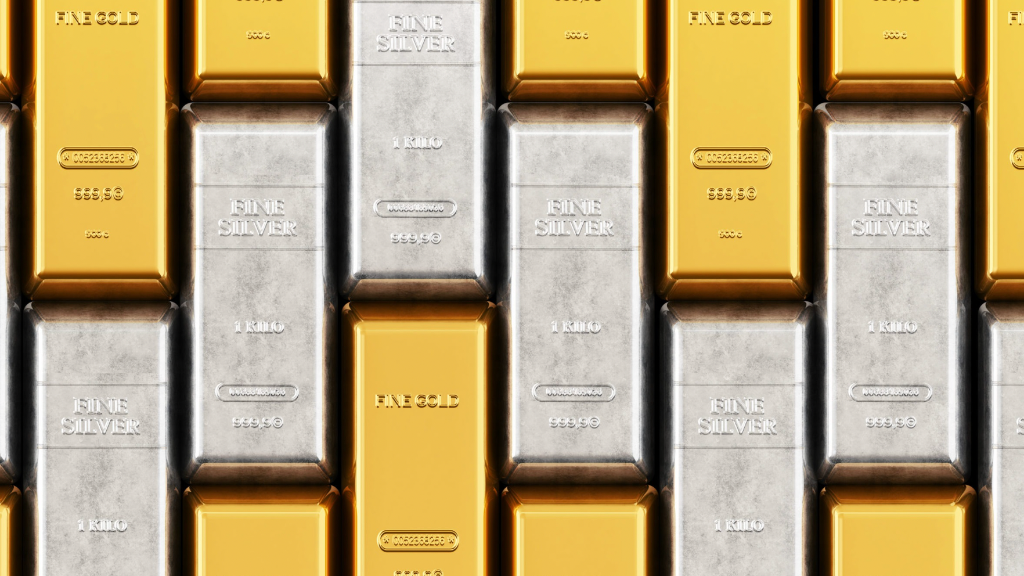
Gold Price Prediction: XAU/USD bears at $1,650 on Fed hawkishness and China news

Daniel Rogers

Sep 19, 2022 14:34

 161.png


During early Monday morning in Europe, the gold price (XAU/USD) maintains a position close to the intraday low at $1,670. In doing so, metal prices endure the weight of a stronger U.S. dollar amidst a sluggish session caused by Japanese and British vacations. The cause may be related to the Fed's hawkish bets and China-related news stories.


US Dollar Index (DXY) reverses a two-day slump while posting intraday gains of 0.18 percent at 109.85 as of press time. Indicators of the U.S. dollar's value versus the six major currencies have recently been buoyed by the University of Michigan's September consumer sentiment report and the market's positive expectations on the Fed's next move. Consequently, the probability of a 75-basis-point (bps) rate hike by the Federal Reserve increased to 80%, while the market's estimates of a one-percentage-point increase in the Fed rate rose to 20% at the latest.


US President Biden stated elsewhere, "I'm more positive than I've been in a long time." The national leader also claimed that inflation will be brought under control. On the same line are the covid updates from China, which have unlocked Dalian and Chengdu while observing zero coronavirus cases in Beijing and one, as opposed to zero the day before, outside of Shanghai's quarantine zone. However, US President Biden's willingness to support Taiwan in the event that China assaults Taiwan and hawkish expectations for the Federal Reserve appear to weigh on the steel price ahead of the major monetary policy pronouncements.


In addition, the People's Bank of China (PBOC) reduces the 14-day reverse repo rate by 10 basis points to 2.15 percent. "With no maturing reverse repos on Monday, the Chinese central bank injects 12 billion yuan," reports Reuters. The same might have indicated that the dragon nation is not in recovery mode and requires more rate cuts than rate raises, which could have caused the gold price to plummet. The cause is China's position as one of the world's largest gold consumers.


In light of this, the S&P 500 Futures post modest losses while mirroring Wall Street's Friday close. Notably, the selling in Japan curbs bond movements in Asia, but yields are robust near the multi-day high due to fears of a recession and hawkish Fed views.


Moving forward, a light economic calendar and important market holidays may limit intraday XAU/USD price fluctuations. However, bears are expected to maintain control because to aggressive Fed expectations, which, if dashed, might defy the bearish chart pattern and spark the long-awaited rally.