• English
  • 简体中文
  • 繁體中文
  • Tiếng Việt
  • ไทย
  • Indonesia
Subscribe
Real-time News
March 9th - The de facto closure of the Strait of Hormuz has disrupted shipping, forcing Saudi Arabia to divert its crude oil shipments to the Red Sea. Saudi Aramco recently launched a rare tender to supply approximately 4.6 million barrels of crude oil for immediate delivery, encompassing ultra-light, heavy, and its flagship Arab Light grade. This tender in the spot market reflects the pressure it faces. Because it typically sells only through long-term contracts, Saudi Aramco is unable to sell most of its oil through conventional channels and is instead transporting a record volume of crude to Yanbu port on the Red Sea via pipeline. Bloomberg vessel tracking data shows that its western terminal shipments have surged to approximately 2.3 million barrels per day this month, about 50% higher than any month since the end of 2016. Traders say the prices in these tenders represent a premium over the official selling prices for their respective grades in March. These official prices were set a month ago, well before the current Middle East conflict began.March 9th - According to foreign media reports, Saudi Aramco has provided spot crude oil supplies through a series of rare tenders due to the de facto closure of the Strait of Hormuz forcing cargoes to be diverted via the Red Sea. According to informed traders, the company recently offered approximately 4.6 million barrels of crude oil across three grades – Arab Extra Light, Arab Heavy, and Arab Light.Market news: Saudi Aramco has provided immediate crude oil supplies through a series of rare tenders.March 9th - As the escalating conflict in the Middle East pushes up global oil prices, the South Korean government has taken emergency measures. South Korean President Lee Jae-myung, at an emergency economic meeting on Monday, called for the "swift introduction and bold implementation of a maximum oil price system" to curb excessive price increases. Lee made these remarks as international oil prices approached $120 per barrel, a new high since 2022. Production cuts by Middle Eastern oil-producing countries, the continued blockade of the Strait of Hormuz, and the USs threats to escalate the conflict have put continuous pressure on the energy market. South Korea relies almost entirely on energy imports, with approximately 70% of its oil transported through the Strait of Hormuz. This proposed oil price cap mechanism would be the first time South Korea has used such measures in nearly 30 years, aiming to mitigate the impact of geopolitical instability on its domestic energy supply chain.March 9th - According to the Financial Times, G7 finance ministers will hold an emergency meeting on Monday to discuss the possibility of jointly releasing emergency oil reserves under the coordination of the International Energy Agency (IEA). This meeting aims to address the surge in oil prices following the conflict in the Gulf region. Sources familiar with the matter revealed that the G7 finance ministers and IEA Executive Director Fatih Birol will hold a teleconference at 8:30 AM New York time (8:30 PM Beijing time) to discuss the impact of the war with Iran. Sources also indicated that three G7 countries, including the United States, have so far expressed support for the idea. The 32 member countries of the IEA hold strategic reserves as part of a collective emergency system established to address the oil price crisis. One source stated that some US officials believe a joint release of 300 to 400 million barrels of oil reserves would be appropriate, equivalent to 25% to 30% of the total reserves of 1.2 billion barrels.

U.S. Senate to hold FTX hearing on Dec. 1, CFTC chairman to testify

Cory Russell

Nov 22, 2022 15:35

微信截图_20221122104317.png


The U.S. Senate Agriculture Committee on Thursday said it will hold a hearing on Dec. 1 to examine the sudden collapse of FTX, one of the world’s biggest crypto exchanges.


FTX filed for bankruptcy on Nov. 11, leaving an estimated 1 million customers and other investors facing billions of dollars in total losses. The firm’s failure has created a liquidity crunch that has rippled across the industry and sent the prices of bitcoin and other digital assets plummeting.


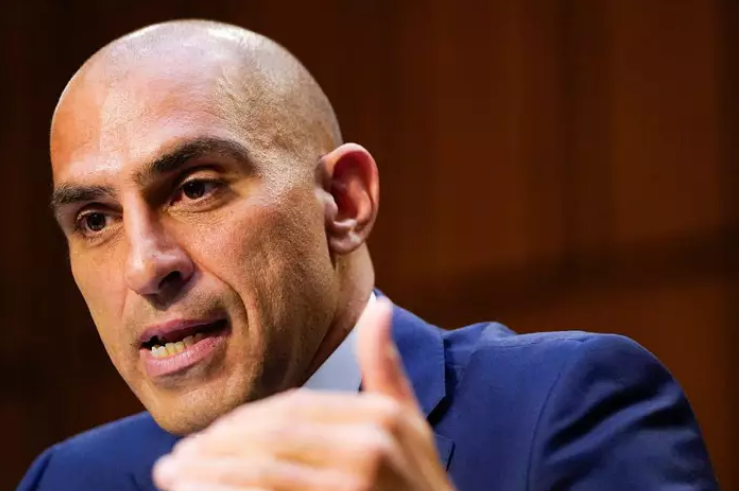
Rostin Behnam, the chairman of the Commodity Futures Trading Commission, is the first witness named for the hearing, titled, “Why Congress Needs to Act: Lessons Learned from the FTX Collapse.”


U.S. Senate Agriculture Committee Chair Debbie Stabenow also on Thursday called on Congress to pass the bipartisan Digital Commodities Consumer Protection Act, which she said, “would have prohibited the misconduct and risky behavior undertaken by FTX.”


The U.S. House Financial Services Committee has also said it plans to hold a hearing in December to investigate FTX’s collapse.