• English
  • 简体中文
  • 繁體中文
  • Tiếng Việt
  • ไทย
  • Indonesia
Subscribe
Real-time News
June 22nd Futures News: The following are the warehouse receipts and changes for various commodities traded on the Shanghai Futures Exchange: 1. International copper futures warehouse receipts: 11,411 tons, a decrease of 2,326 tons from the previous trading day; 2. Pulp warehouse futures warehouse receipts: 241,467 tons, unchanged from the previous trading day; 3. Pulp mill warehouse futures warehouse receipts: 20,000 tons, unchanged from the previous trading day; 4. Nickel futures warehouse receipts: 94,269 tons, an increase of 314 tons from the previous trading day; 5. Lead futures warehouse receipts: 62,755 tons, a decrease of 25 tons from the previous trading day; 6. Rebar warehouse futures warehouse receipts: 25,797 tons, unchanged from the previous trading day; 7. Fuel oil futures warehouse receipts: 31,160 tons, unchanged from the previous trading day; 8. Alumina futures warehouse receipts: 270,388 tons, an increase of 270,388 tons from the previous trading day; 9. Hot-rolled coil futures warehouse receipts: 409,118 tons, down 2,055 tons from the previous trading day; 10. Petroleum asphalt plant warehouse futures warehouse receipts: 90,560 tons, down 3,500 tons from the previous trading day; 11. Petroleum asphalt warehouse futures warehouse receipts: 21,120 tons, unchanged from the previous trading day; 12. Stainless steel warehouse futures warehouse receipts: 94,396 tons, up 2,563 tons from the previous trading day; 13. Tin futures warehouse receipts: 8,768 tons, down 125 tons from the previous trading day; 14. Copper futures warehouse receipts: 77,849 tons, down 5,044 tons from the previous trading day; 15. Silver futures warehouse receipts: 876,367 kg, up 7,945 kg from the previous trading day; 16. Medium-sulfur crude oil futures warehouse receipts: 2,961,000 barrels, unchanged from the previous trading day; 17. Gold futures warehouse receipts totaled 111,633 kg, a decrease of 6 kg from the previous trading day; 18. Aluminum futures warehouse receipts totaled 479,960 tons, a decrease of 6,279 tons from the previous trading day; 19. Zinc futures warehouse receipts totaled 120,101 tons, a decrease of 327 tons from the previous trading day; 20. TSR20 rubber futures warehouse receipts totaled 27,620 tons, unchanged from the previous trading day; 21. Butadiene rubber futures warehouse receipts totaled 13,910 tons, an increase of 13,910 tons from the previous trading day; 22. Natural rubber futures warehouse receipts totaled 151,460 tons, a decrease of 50 tons from the previous trading day; 23. Low-sulfur fuel oil warehouse futures warehouse receipts totaled 0 tons, unchanged from the previous trading day.British Prime Minister Starmer: I will resign.The onshore yuan closed at 6.7763 against the US dollar at 16:30 on June 22, down 140 points from the previous trading day.British Prime Minister Starmer: Our international reputation has been restored.British Prime Minister Starmer: Britains economy is getting stronger and wages are growing faster.

Peirce of the US Securities and Exchange Commission Sees Movement on Stableco in Laws

Cory Russell

May 13, 2022 10:33

微信截图_20220513102208.png


The collapse of the stablecoin TerraUSD and a destabilizing drop in Tether, the world's biggest stablecoin by market size, have given cryptocurrency markets an overall worth of almost $1 trillion this week.


Stablecoins are digital currencies that are linked to conventional assets such as the dollar.


During an online panel discussion organized by the London-based Official Monetary and Financial Institutions Forum policy think tank, SEC Commissioner Hester Peirce remarked, "One area we could see some movement is around stablecoins."


"That's an area that has certainly gained a lot of attention this week," Peirce continued, highlighting the possibility for stablecoins to be used in future marketplace constructions.


She went on to say that the SEC's wide regulatory jurisdiction allows it to catch digital currencies and the technological platforms on which they are exchanged.


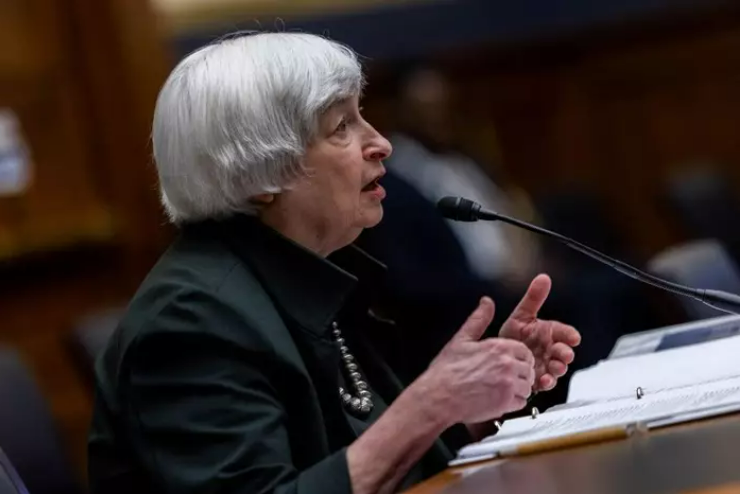
The instability in crypto markets, US Treasury Secretary Janet Yellen told a Senate banking subcommittee this week, demonstrated the need for a "appropriate" regulatory structure.


In March, President Joe Biden signed an executive order mandating the government to evaluate the risks and advantages of developing a central bank digital currency, as well as other cryptocurrency problems.


Gary Gensler, the chairman of the Securities and Exchange Commission, has stated that the agency should address stablecoin risks because asset-linked cryptocurrencies raise concerns about financial stability and monetary policy because they have features that are similar to and potentially compete with bank deposits and money market funds.


He also said that there are concerns about their potential for illegal usage.


Peirce, the SEC's lone Republican commissioner, said on Thursday that possible regulation should allow for a "trial-and-error" regulatory framework, adding that "some people have indicated it should be at the SEC; others want it to be the banking regulators."


There are many possible approaches to addressing stablecoins.


We also need to provide space for failure when it comes to experimenting."