• English
  • 简体中文
  • 繁體中文
  • Tiếng Việt
  • ไทย
  • Indonesia
Subscribe
Real-time News
On April 8th, South Korean assets surged after President Trump agreed to a two-week ceasefire with Iran, easing concerns about a prolonged disruption to global energy supplies and triggering a broad-based risk appetite rally. The benchmark Kospi index jumped as much as 6.2%, leading Asian stocks and marking its fourth consecutive day of gains. Shares of chip giants Samsung Electronics and SK Hynix both rose more than 9%. A more than 6% gain in Kospi 200 futures also triggered a temporary halt to algorithmic trading on exchanges. The Korean won appreciated as much as 1.9% against the US dollar. South Korean 10-year government bond futures rose as much as 120 ticks, while the 3-year bond yield fell to 3.3%, as lower oil prices eased inflationary pressures and reduced expectations of a Bank of Korea interest rate hike. The Bank of Korea will hold its interest rate decision meeting on Friday.The Reserve Bank of New Zealand will announce its interest rate decision in ten minutes.White House Press Secretary Levitt: Thanks to the incredible capabilities of American soldiers, we achieved and exceeded our core military objectives in 38 days. Furthermore, President Trump reopened the Strait of Hormuz. Never underestimate the presidents ability to successfully advance American interests and foster peace.The Philippine peso rose to 59.543 pesos to the US dollar, a new high since March 23.April 8th - Today, the full text of the "Outline of the 15th Five-Year Plan for National Economic and Social Development of Beijing" was released. The outline sets an average annual economic growth target of 4.5% to 5% for Beijing from 2026 to 2030, striving for even better results. This means that Beijings economic growth over these five years will exceed one trillion yuan. According to the Beijing Municipal Development and Reform Commission, the outline aims to achieve the goal of basically realizing socialist modernization by 2035, accurately grasping the stage-specific characteristics of the "15th Five-Year Plan" period, such as the technological revolution and industrial transformation, and changes in population structure. It sets 29 major indicators, all of which have been scientifically calculated and comprehensively balanced, guiding the implementation of key tasks in the outline year by year.

Oil Decreases As China COVID Restricted Trump's U.S. Output Raise Concerns

Charlie Brooks

Oct 31, 2022 14:24

119.png


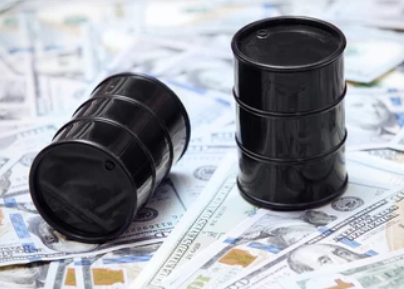
On Monday, oil prices declined due to concerns that extending COVID-19 limitations in China may reduce demand, offsetting signs that production at the leading U.S. shale field is decreasing.


Monday at 01:51 GMT, Brent crude futures decreased 36 cents, or 0.4%, to $95.41 a barrel, following a 1.2% decline on Friday.


Following a loss of 1.3% on Friday, U.S. West Texas Intermediate (WTI) crude traded at $87.67 per barrel, a decline of 23 cents, or 0.2%.


Stephen Innes of SPI Asset Management stated that extending COVID limitations in China often creates concerns regarding crude oil consumption from the largest crude importer in the world.


As COVID infections spread, Chinese municipalities are enforcing Beijing's zero-COVID policy, diminishing the likelihood of a demand rebound.


Despite this, WTI continues to be supported by warnings from major U.S. producers that productivity and volume gains in the Permian Basin, the nation's largest shale production region, are slowing.


The warnings were given during the same week when U.S. oil exports reached an all-time high, which contributed to a 3.4% spike in WTI prices. Brent gained 2.4% last week, its second weekly increase in a row.


Separately, on Sunday, People's Bank of China Governor Yi Gang reaffirmed the central bank's existing policy goals of preserving sufficient liquidity and extending lending support for the real economy.


According to two OPEC sources, the Organization of Petroleum Exporting Countries is expected to retain its position that oil demand will climb for another decade despite the growing use of renewable energy and electric vehicles.


In the meantime, the large profits of global oil giants such as Exxon Mobil Corp (NYSE:XOM) and Chevron Corp (NYSE:CV) have reignited calls for windfall taxes.