• English
  • 简体中文
  • 繁體中文
  • Tiếng Việt
  • ไทย
  • Indonesia
Subscribe
Real-time News
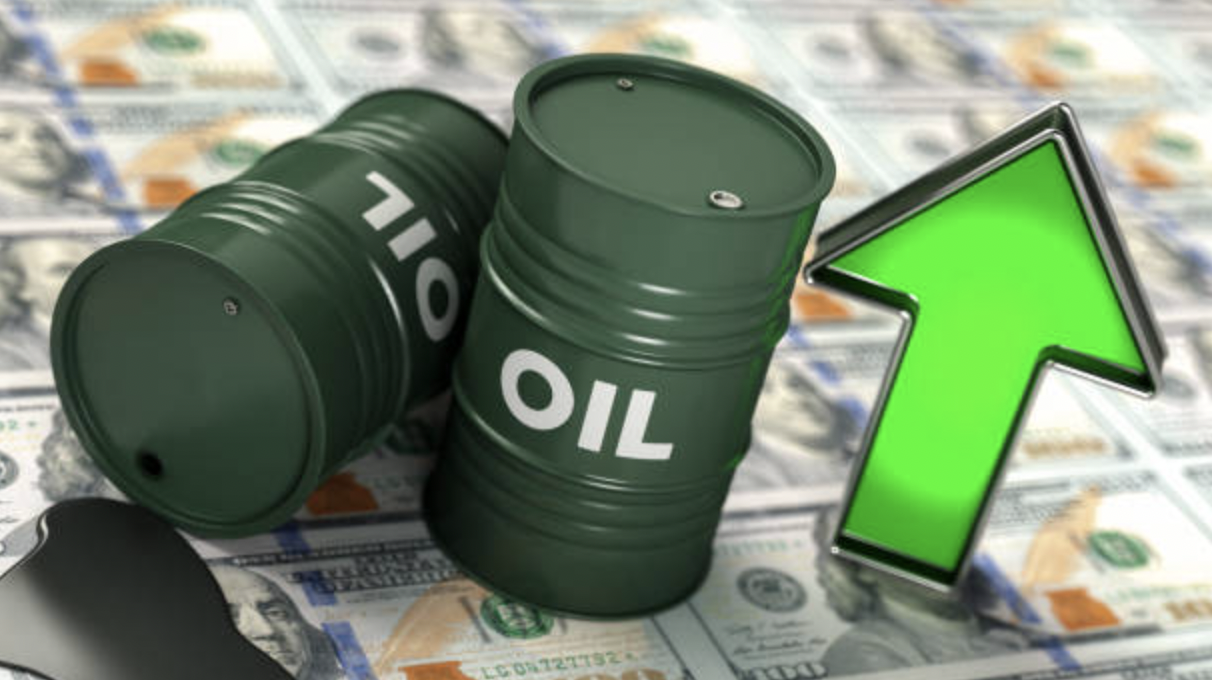
On March 13th, Apple announced adjustments to its App Store commission policy in mainland China. More importantly, Apple pledged to consistently provide Chinese developers with competitive commission rates no higher than those in other markets. Why did Apple lower its "Apple tax"? Apples official statement revealed a key piece of information: the adjustment was made "based on communication with Chinese regulatory authorities." Considering the magnitude and attitude of Apples adjustment, its easy to infer that Chinese regulatory authorities have effectively exerted pressure on Apple. In fact, the "Apple tax" is being reduced globally. In recent years, countless developers, regulatory agencies, user groups, and even governments have challenged Apples high commission rates. According to incomplete statistics, Apple has been sued, investigated, reported, and legally banned in at least 10 countries and regions worldwide due to allegations of monopolistic practices related to the App Store. Under anti-monopoly regulatory pressure, Apple has already lowered commissions in several countries and regions. This reduction in commissions for the Chinese App Store, "based on communication with Chinese regulatory authorities," not only improves the treatment of Chinese developers but also reflects the continuous improvement of digital market rules and the enhancement of regulatory authority in the process of deepening the normalization of anti-monopoly supervision.The yield on five-year Japanese government bonds rose 4.0 basis points to 1.665%. The yield on 20-year Japanese government bonds rose 3.0 basis points to 3.090%.Futures News, March 13th: Economies.com analysts latest view: Spot gold continued to rise in the latest intraday trading, benefiting from the stability of the key support level of $5100, providing positive momentum for its attempt to recover some of its previous losses. At the same time, prices are attempting to alleviate the oversold conditions indicated by the Relative Strength Index (RSI). Nevertheless, gold still faces downward pressure after breaking through the short-term uptrend line. Furthermore, the continued trading below the EMA50 is also creating dynamic pressure, which may limit the possibility of a full recovery for gold in the short term.March 13th - Hong Kong stocks opened slightly lower again, after a brief surge to turn positive. At midday close, the Hang Seng Index was down 0.48%, and the Hang Seng Tech Index was down 0.41%. Most large-cap tech stocks rallied, with Alibaba (09988.HK), Meituan (03690.HK), and JD.com (09618.HK) all rising over 1%. Energy stocks, affected by supply disruptions in the Middle East, remained active, fertilizer stocks rose, building materials and cement stocks generally increased, and telecommunications and high-speed rail infrastructure stocks saw some recovery. However, airline stocks continued their decline, while gold, shipping, and semiconductor stocks generally fell.On March 13, Maybank (Thailand) analyst Chak Reungsinpinya wrote in a research report that rising oil prices could benefit Thailands energy sector and lead to higher refining margins. The analyst stated, "The disruption to energy flows caused by the Iranian war is unprecedented." Even if the Middle East conflict is resolved within weeks rather than months, energy prices are likely to remain high. The bank upgraded its rating on Thailands energy sector from "neutral" to "positive."

Gold Price Prediction: The XAU/USD pair approaches $1,880 following a robust comeback amid weaker US yields

Alina Haynes

Feb 09, 2023 15:03

 94.png


During the Asian session, the gold price (XAU/USD) has renewed its daily high above $1,880.00. As market participants' risk appetite has increased, the gold price has climbed sharply higher after recovering from $1,872.00. The precious metal is anticipated to extend its uptrend over $1,880.00 with confidence, as lower US Treasury yields have mitigated the risk-averse inclination.


The yields on 10-year US Treasury bonds have decreased to approximately 3.61 percent. S&P500 futures have rebounded in the Asian session following a decline on Wednesday. The expectation that the Federal Reserve (Fed) will not be aggressive in the future in hiking interest rates supports the 500-US stock index.


In the meantime, the US Dollar Index (DXY) is battling to maintain above 103.00, despite the fact that the market has begun anticipating a Fed interest rate rise above 5%.


Jamie Dimon, chief executive officer of JPMorgan Chase & Co., advised against prematurely declaring victory against inflation, saying that the Federal Reserve could hike interest rates above 5% if higher prices become "sticky," as reported by Reuters. He stated that Fed Chair Jerome Powell must exceed 5% if inflation does not fall to between 3.5% and 4%.