• English
  • 简体中文
  • 繁體中文
  • Tiếng Việt
  • ไทย
  • Indonesia
Subscribe
Real-time News
Royal Bank of Canada raised its price target for SanDisk (SNDK.O) from $400 to $650.On January 30th, major Hong Kong stock indices performed poorly today. The Hang Seng Index opened lower and continued to decline, while the Hang Seng Tech Index continued its downward trend. At the close of trading, the Hang Seng Index fell 2.08%, and the Hang Seng Tech Index dropped 2.1%. Total turnover for the Hang Seng Index reached HK$301.612 billion. In terms of sectors and individual stocks, the gold and precious metals sector saw a significant pullback today. Shandong Gold (01787.HK) and Chifeng Gold (06693.HK) closed down over 14%, while Zijin Mining International (02259.HK), Zhaojin Mining (01818.HK), and Zijin Mining (02899.HK) all fell nearly 10%. Education and memory chip concepts bucked the trend, with New Oriental (09901.HK) closing up 5.52% and China Spring (01969.HK) closing up 22.76%; CATL (03750.HK) and Tianchen Holdings (01201.HK) rose over 2%.Market Reactions to the Potential Nomination of Warsh: 1. Mizuho Securities: If Warsh is elected, the market will feel continued pressure to cut interest rates. The market has misjudged the pace of rate cuts; the Fed is expected to cut rates more slowly than anticipated or hoped for. 2. Wilson Management: Warshs tendency to cut rates conditional on balance sheet reduction could trigger market panic about liquidity contraction, leading to a sell-off in hedging assets such as gold, cryptocurrencies, and bonds. 3. National Australia Bank: Warshs election would strengthen expectations that the Feds independence will be protected, indicating that the Fed will not become a vassal of Trump or any other presidents will and be arbitrarily controlled. 4. TD Securities: If Warsh is successfully elected as the next Fed Chair, the US Treasury yield curve is expected to steepen. However, any market reaction will be short-lived, as the new chair needs to convince the other members of the committee. 5. Commonwealth Bank of Australia: The market is familiar with Warsh, which will help stabilize sentiment to some extent. He is more like a "steady and reliable trader" than the type to make sweeping changes and start from scratch. 6. Carson Group: Warsh has historically been a hawk. If he enters the Fed advocating for significant rate cuts, he may not have much credibility within the Fed. We might even face a severely divided Fed that doesnt cut rates at all. 7. L&G Asset Management: Whoever Trump nominates will be more dovish than Powell. Although the market has already priced in future Fed rate cuts and a weaker dollar, long-term interest rates may rise due to risk premiums. Be wary of a "buy the rumor, sell the fact" reversal. Latest Institutional Rate Cut Expectations: 1. Mitsubishi UFJ: Lowered its forecast for the number of Fed rate cuts this year and expects the first rate cut in April. 2. CICC: The Fed is still expected to cut rates twice in 2026, but the first rate cut may be delayed until the second quarter. 3. Goldman Sachs: Initially expects the Fed to make its next 25 basis point rate cut in June, followed by the final rate cut of this cycle in September. 4. Danske Bank: Believes the risk of a renewed shift to easing policy is increasing following the Feds January rate decision, and anticipates rate cuts at the March and June meetings. 5. Commerzbank: Given the currently more favorable economic and labor market conditions, the Fed will not rush to cut rates. It is expected that the Fed may not cut rates again before Powells term ends. 6. Huatai Securities: The Feds January meeting corroborated our more optimistic assessment of the US economy and job market, maintaining our expectation of a pause in rate cuts from January to May, with the new chairman expected to cut rates 1-2 more times after taking office in the middle of the year. 7. CITIC Securities: Powell expects tariff inflation to peak later than the first quarter, and is uncertain about new tariff policies. It is expected that the Fed will not cut rates again in the remaining two meetings during Powells chairmanship. 8. Nordea Bank: While Powell maintains expectations of rate cuts, he emphasizes the need to wait for the effects of tariff inflation to subside, unless the job market deteriorates significantly. This poses an upside risk to our forecast of three rate cuts this year (the first in March).The Hang Seng Index closed down 580.98 points, or 2.08%, at 27,387.11 on Friday, January 30; the Hang Seng Tech Index closed down 122.92 points, or 2.1%, at 5,718.18; the H-share Index closed down 235.49 points, or 2.47%, at 9,317.09; and the Red Chip Index closed down 101.56 points, or 2.27%, at 4,368.45.On January 30th, officials from the National Development and Reform Commission and the National Energy Administration answered reporters questions regarding improving the capacity pricing mechanism for power generation. Among the points raised was promoting the fair participation of pumped storage and new energy storage systems in the electricity market. Addressing the situation where pumped storage and new energy storage systems in some regions have not yet participated fairly in the electricity market, hindering the formation of accurate price signals and limiting their regulatory role, the "Notice" proposes accelerating the fair entry of pumped storage and new energy storage systems into the market. In particular, pumped storage power stations constructed after the issuance of Document No. 633 should participate in the electricity market independently to promote their full regulatory role.

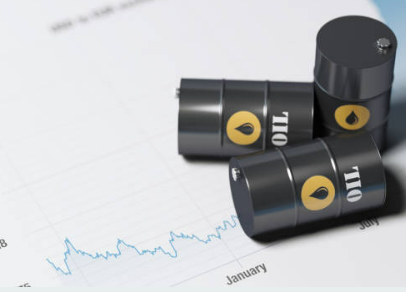
Fears of a recession cause oil to fall further

Haiden Holmes

Sep 16, 2022 11:03

6.png


Oil prices dipped in early trade on Friday, extending the week's losses, as fears of rapid interest rate hikes choking the global economy and decreasing fuel demand outweighed worries over a shortage.


Brent oil futures decreased 22 cents, or 0.2%, to $90.62 a barrel as of 00:52 GMT, after plunging 3.5% to a one-week low in the prior session.


Futures for U.S. West Texas Intermediate (WTI) crude dropped 25 cents, or 0.3%, to $84.85 a barrel, following a decline of 3.8% in the previous session.


ANZ commodities analysts noted in a client note, "Crude oil fell as the market refocused on the weakening economic backdrop."


Both indices are on track for a third consecutive weekly decrease, slowed in part by a strong U.S. currency that makes oil more expensive for foreign purchasers. Friday saw a modest decrease in the dollar index, but it stayed close to last week's high of over 110.


This week, the market was also rattled by the International Energy Agency's prediction of a near-zero increase in oil demand in the fourth quarter due to China's dismal demand outlook.


"Oil fundamentals remain largely adverse as China's demand outlook remains uncertain and the inflation-fighting Federal Reserve appears prepared to harm the U.S. economy," said OANDA analyst Edward Moya.


According to observers, the mood was severely affected by the U.S. Department of Energy's remark that it was unlikely to seek to refill the Strategic Petroleum Reserve before fiscal year 2023.


On the supply side, the market has gained some support from declining expectations of a return of Iranian crude, as Western officials have downplayed the probability of resuming nuclear negotiations with Tehran.


This reinforced the estimate of Commonwealth Bank analyst Vivek Dhar that oil markets will tighten by the end of the year and Brent will return to $100 per barrel in the fourth quarter.