• English
  • 简体中文
  • 繁體中文
  • Tiếng Việt
  • ไทย
  • Indonesia
Subscribe
Real-time News
UAE Presidents Foreign Policy Advisor: The UAE is exercising restraint and seeking a way out for Iran and the region.The UAE presidents foreign policy advisor said Irans accusations against the UAE are "part of its unwise and chaotic policy."On March 15, S&P Global Ratings affirmed Saudi Arabias sovereign credit rating, adding that despite disruptions, non-oil growth momentum and related non-oil revenues should help support the economy. S&P stated that Saudi Arabia should be able to withstand the impact of the current conflict with Iran. S&P noted that the country should be able to shift oil exports to the Red Sea, utilize its vast oil storage capacity, and increase oil production post-conflict. The Saudi government should also be able to adjust investment spending related to "Vision 2030," a strategic framework launched by the country in 2016.On March 15th, Matt Reed, Vice President of the geopolitical and energy consultancy Foreign Reports, stated that an attack on Kharg Island could trigger Iranian retaliation against Gulf oil-producing countries. He said, "Iran will retaliate in kind." The United States warned on Friday that if Iran continues to block the Strait of Hormuz, Kharg Islands oil facilities could become the next target. Reed warned that the longer the conflict continues, the harder it will be to find alternative energy supplies. "At least 10 million barrels of oil are trapped in the Gulf every day, plus more than 4 million barrels of refined petroleum products and tens of billions of cubic feet of liquefied natural gas, with no easy alternatives." The International Energy Agency has announced the largest emergency oil reserve release in history, with 32 member countries planning to release approximately 400 million barrels of oil. However, Reed believes this measure will have limited effect, stating, "By the time the oil gets to the market, it may be too little, too late." He described it as nothing more than a "band-aid."On March 15th, local time, the Iranian Islamic Revolutionary Guard Corps issued a statement saying that in the past 48 hours, the US and Israel had launched attacks on several civilian industrial facilities in Iran, resulting in the deaths of several workers. The statement said that after setbacks in its confrontation with Iran, the US and Israel have turned to attacking non-military industrial facilities. Iran warned that US companies in the region should withdraw from their facilities and urged nearby residents to stay away from industrial areas with US capital involvement to avoid potential attacks.

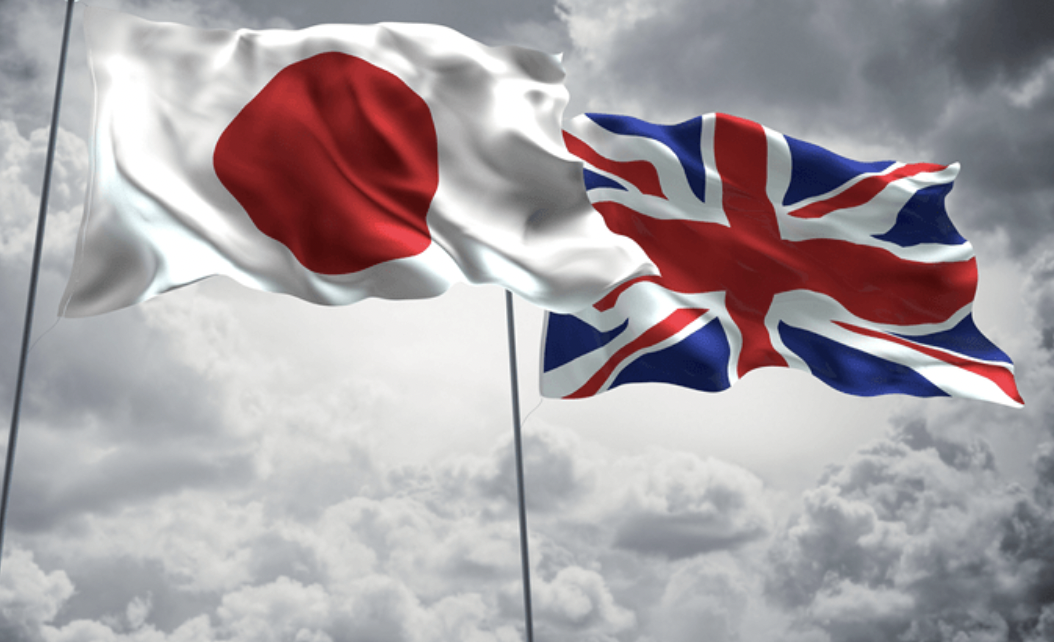
Before the Fed and BoJ adopt interest rate policy, the USD/JPY exchange rate is normal

Daniel Rogers

Sep 21, 2022 14:39

 截屏2022-09-21 上午10.10.04.png


Attempts to push the USD/JPY rate above the 144.00 psychological barrier have met with opposition. The goal of the effort was to break over the long-term trading range of 142.55 to 143.80 to the upside. The duo has retreated into the woods after its breakout attempt failed, and it is expected to do poorly going forward.


The Federal Reserve's interest rate decision is the likely event for Wednesday (Fed). The Federal Reserve is widely expected to undertake a third consecutive rate hike of 75 basis points (bps). The retail sector is doing well, and the labor market is tighter than anyone expected, so the Federal Reserve still has a lot of room to raise interest rates. Therefore, bets on a 1% rate hike are rising and could pay well.


Inflation, interest rate peak, and economic growth projections will also be tracked. All possible actions by the Fed have been priced out of the market. In the wake of the Fed's meeting, investors will get ready to take bolder steps.


The chance of a policy adjustment from the Bank of Japan has increased as the nation's Consumer Price Index (CPI) has improved (BOJ). Statistics Bureau of Japan published a national CPI of 3%, which is above both expectations and the prior release of 2.6%. The core CPI, which does not include food or energy prices, has also gone up, to 1.6% from 1.2%, but is still less than the predicted 1.7%.