• English
  • 简体中文
  • 繁體中文
  • Tiếng Việt
  • ไทย
  • Indonesia
Subscribe
Real-time News
According to Hong Kong Stock Exchange documents, Suzhou Tianfu Optical Communication Co., Ltd. has submitted a listing application to the Hong Kong Stock Exchange.The Q1 earnings season for US stocks is upon us. Next week, pay close attention to the earnings reports from Goldman Sachs (GS.N), Bank of America (BAC.N), Citigroup (CN), and TSMC (TSM.N). Economic data to watch includes Chinas March trade balance and March industrial output growth (year-on-year); and the US March PPI year-on-year rate. Additionally, the State Council Information Office will hold a press conference next week on the national economic situation; several Federal Reserve officials will also speak. Please stay tuned. For a complete earnings calendar, please check the calendar section of the US-Hong Kong Telecom APP. Click to view...The European aerospace and defense sector index fell by more than 1%.TSMC (TSM.N) rose more than 2% in pre-market trading after its first-quarter revenue exceeded expectations.April 10th - Indian refiners have been buying large quantities of Russian crude oil over the past two months and expect to maintain these high levels for the remainder of the year as the country grapples with tight Middle Eastern supplies and the threat of easing US sanctions. Executives at major refiners said they expect the US waivers allowing the purchase of Russian oil to be extended before they expire in the coming days. Even without the waivers, purchases are unlikely to decline given the limited supply options. Vandana Hari, founder of Singapore-based consultancy Vanda Insights, said India is seizing every opportunity to acquire Russian crude. As long as supplies from the Persian Gulf remain constrained, India is expected to continue maximizing its imports of Russian crude.

Analysis-Bankman-Fried fraud charges sidestep debate over how U.S. law sees crypto

Cory Russell

Jan 10, 2023 14:53

微信截图_20230110110239.png


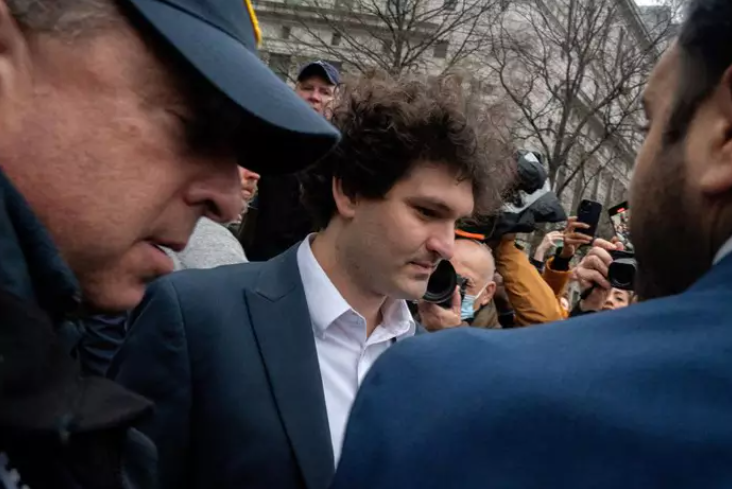
That is because Manhattan federal prosecutors’ charges against the founder of now-bankrupt crypto exchange FTX have largely sidestepped an ongoing debate as to whether cryptocurrencies should be regulated as securities or commodities, legal experts told Reuters.


Bankman-Fried, 30, was indicted on two counts of wire fraud and six conspiracy counts last month in Manhattan federal court for allegedly stealing FTX customer deposits to pay debts from his hedge fund, Alameda Research, and lying to equity investors about FTX’s financial condition. He has pleaded not guilty.


“It’s a pretty simple deception,” said Shane Stansbury, a professor at Duke University School of Law and former Manhattan federal prosecutor. “You really don’t need to get into the weeds of how we view cryptocurrencies.”


The question of whether cryptocurrencies are considered securities, like stocks or bonds, or commodities – a category that in the United States encapsulates foreign currency trading as well as raw materials such as crude oil – remains largely unresolved.


But the uncertainty is irrelevant to most of the charges leveled against Bankman-Fried, according to experts. While he faces one count of conspiracy to commit securities fraud, that charge alleges he misled FTX’s equity investors, and does not touch on the nature of the assets traded on the exchange.


He also faces two wire fraud charges and two related conspiracy counts for allegedly providing false information to Alameda lenders about the hedge fund’s financial health and for the alleged theft of customer assets.


“There’s no need to establish that what the customers ultimately bought with fiat currency was a security or commodity or whatever,” said Mark Kasten, counsel at Buchanan Ingersoll & Rooney in Philadelphia. “Customers put money into the platform and the money was supposed to be used in a certain way. And according to the allegations in the indictment, it wasn’t.”


A spokesman for the U.S. Attorney’s office in Manhattan declined to comment.


Bankman-Fried’s defense lawyers did not respond to a request for comment. The onetime-billionaire has previously acknowledged shortcomings in FTX’s risk management practices, but has said he does not believe he is criminally liable.