• English
  • 简体中文
  • 繁體中文
  • Tiếng Việt
  • ไทย
  • Indonesia
Subscribe
Real-time News
March 3 – According to the latest monthly survey released by Purdue University and CME Group, American farmers are slowly becoming more optimistic about their economic outlook. In the latest "Agricultural Economic Barometer," farmers views on the current economic situation have improved slightly. However, the survey indicates that farmers generally remain pessimistic about their future financial situation. Michael Langemeier of Purdue University stated, "Many farms are still feeling financial pressure compared to a year ago, which is reflected in their prudent investment strategies and more conservative expectations for the coming year." Approximately 44% of respondents indicated that their farms were performing worse in February than they were at the same time last year.According to traders and brokers, some tanker routes to Yanbu remain suspended as shipping companies generally avoid the Middle East.The governor of Tehran province, Iran, stated that cargo transportation is proceeding normally. He added that they have no concerns about the supply of basic goods and the needs of the public.On March 3, Kansas City Federal Reserve President Schmid reiterated that inflation remains too high, adding that the latest data shows inflation is nearly one percentage point above the Feds target. He stated, "Inflation has been above the Feds target for almost five years, and I dont think we have any reason to be complacent." After holding rates steady at its first annual meeting in January, Fed officials are expected to maintain the current rate at this months meeting. Most policymakers have indicated they prefer to keep rates stable for now, awaiting further evidence of inflation cooling and converging towards its target. Schmid noted significant inflationary pressures in both goods and services affected by tariffs. He stated that while he is optimistic that artificial intelligence and other emerging technologies will eventually lead to inflation-free growth, "were not there yet." Schmid also cited recent data, stating that it "largely indicates the labor market is in a state of equilibrium." He warned that high demand for healthcare professionals will continue as the population ages, squeezing profit margins in the industry and potentially posing further inflationary risks. The healthcare industry is projected to contribute almost all new jobs by 2025.Federal Reserves Schmid: Losing credibility in inflation comes at a high cost.

EU crypto rules set to cap dollar-pegged stablecoins

Skylar Shaw

Oct 09, 2022 14:11

微信截图_20221009094506.png


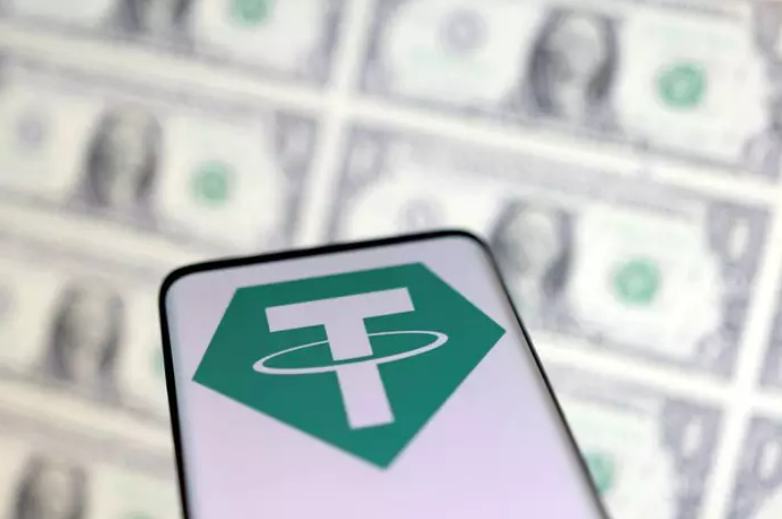
According to industry leaders, regulations imposed by the European Union to control crypto assets would reduce the market share of stablecoins not pegged to the euro starting in 2024, thereby reducing EU competitiveness.


The new Markets in Crypto Assets Regulation (MiCA), which was hammered out with the European Parliament in June, received the blessing of the 27 EU member states' ambassadors on Wednesday.

The regulations must be approved by the Parliament in order to become law; this is anticipated to occur in December or early 2023.


The ambassadors also released the full text of the agreement, which included information like the cap on the number of transactions and transaction value for stablecoins not pegged to the euro when sold within the euro zone, which is set at 1 million transactions and 200 million euros ($196 million).


The world's three largest stablecoins, Tether, USD Coin, and Binance USD, account for 75% of cryptocurrency trade volumes, and already exceed the transaction-count and volume limits outlined in the EU regulations, according to a joint letter from crypto industry groups Blockchain for Europe and the Digital Euro Association.


The limitation "would probably hamper the EU's competitiveness and innovative potential," according to Anto Paroian, CEO of cryptocurrency hedge firm ARK36.


The European Crypto Initiative, a crypto advocacy organization with offices in Brussels, warned that the result would be "burdensome."


However, it said that following "initial worries about the EU's financial stability and monetary sovereignty," a more benevolent perspective on euro-denominated stablecoins was expected to develop.


A stablecoin is a form of cryptocurrency that uses a 1:1 peg to a fiat currency to maintain a consistent value.


According to Fabian Astic, Global Head of DeFi and Digital Assets at Moody's Investors Service, "if the directive's existing language does not modified, it would considerably limit the usage of dollar-denominated stablecoins like as USD Coin, Tether, and Binance US."


In fact, this may boost the number of stablecoins linked to the euro, which is a positive development, said Stefan Berger, a member of the European Parliament who assisted in negotiating the final agreement, to Reuters.


With a market valuation of $68 billion, Tether's dollar-pegged coin is the third biggest cryptocurrency in the world, behind only the euro-pegged coin ($202 million), according to CoinGecko statistics.