• English
  • 简体中文
  • 繁體中文
  • Tiếng Việt
  • ไทย
  • Indonesia
Subscribe
Real-time News
Ukrainian Prime Minister: He and Besente discussed in detail the necessity of strengthening sanctions against Russia.On April 16th, Federal Reserve Chairman Mohamed Mussaleem stated on Wednesday that high oil prices could push core inflation nearly one percentage point above the Feds 2% target for the remainder of the year, potentially requiring the Fed to maintain interest rates. Mussaleem said, "We are likely to see some transmission of oil prices to core inflation," and that by the end of the year, the underlying measure of price increases will be "slightly below 3%, perhaps around 3%," with further upside risks. Mussaleem said the Fed is likely to keep its policy rate in its current 3.50%-3.75% range "for some time," while monitoring inflation, employment, and economic data in the coming months—a view shared by many of his colleagues. The impact of last years tariff increases may be fading this quarter, and housing price inflation is also weakening. With rising oil prices, inflation in a range of service sectors remains high, and he would be open to raising interest rates if inflation starts to rise and potentially boost inflation expectations. Mussaleem also stated that the oil market represents "the third negative supply shock in 12 months," and coupled with rising tariffs and stricter immigration regulations, the inflation outlook and the job market face risks, potentially impacting economic growth. He believes that economic growth will slow this year, but will still be between 1.5% and 2%.According to MS Now, citing two Pakistani officials, the US and Iran may return to Pakistan next week for negotiations.On April 16, it was reported that on April 15 local time, a majority of U.S. senators expressed support for President Trumps military action against Iran. The Senate voted 52 to 47 to reject a Democratic-led resolution aimed at preventing war until hostilities were authorized by Congress.Federal Reserve Chairman Mossallem: As economic growth slows, the unemployment rate may rise, but the increase may only be a fraction of a percentage point.

What Is the Difference Between Bearish and Bullish Markets?

Larissa Barlow

Mar 23, 2022 17:47

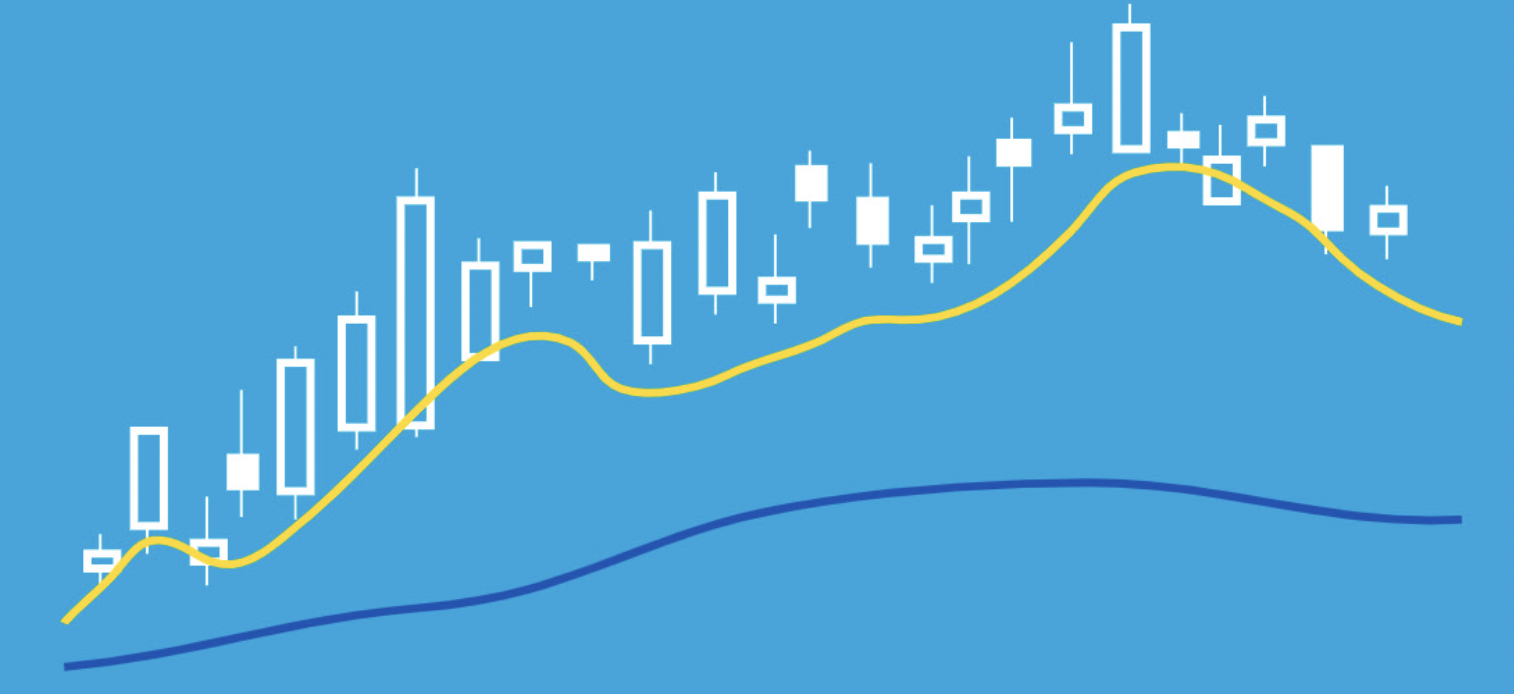
Simply defined, a bear market is one in which prices are declining, whereas a bull market is one in which prices are increasing.


图片2.png 

What Happens to Stocks During a Bull Market?

When bulls rule the market, investors are eager to invest; confidence is strong, and risk tolerance often increases.


This results in increases in a variety of markets, most notably stock markets, but also in foreign exchange currencies such as the Australian dollar (AUD), the Canadian dollar (CAD), the New Zealand dollar (NZD), and emerging market currencies. Bull markets, on the other hand, often result in a decrease in safe-haven currencies such as the Japanese yen, the Swiss franc (CHF), and, occasionally, the US dollar.


The US dollar (USD) and the Japanese yen (JPY) are both safe-haven currencies that tend to appreciate during bear markets when riskier assets are sold and safe-haven currencies are sought after.

Why Is This Important to You?

One of forex trading's primary perks is the opportunity it provides traders in both bull and downturn markets. This is because forex trading is usually conducted in pairs; when one currency weakens, the other strengthens, allowing you to profit from both rising and falling markets.


Bull and bear markets are critical to monitor because they can influence currency market patterns. By being informed of market trends, you can make the best risk management decisions and obtain a better knowledge of when to enter and exit transactions.


In a bull market, traders seek market points when prices are increasing in order to exit when they feel the market has hit its high.

What Occurs During a Bear Market?

Bearish markets are characterized by a downward trend in which investors sell riskier assets such as equities and less liquid currencies such as those from emerging nations.


In a bear market, traders seek market points as prices decline in order to purchase when they feel the market has achieved its top.


The US dollar (USD) and the Japanese yen (JPY) are both safe-haven currencies that tend to appreciate during bear markets when riskier assets are sold and safe-haven currencies are sought after.

Why Is This Important to You?

One of forex trading's primary perks is the opportunity it provides traders in both bull and downturn markets. This is because forex trading is usually conducted in pairs; when one currency weakens, the other strengthens, allowing you to profit from both rising and falling markets.


Bull and bear markets are critical to monitor because they can influence currency market patterns. By being informed of market trends, you can make the best risk management decisions and obtain a better knowledge of when to enter and exit transactions.

Suggestion