• English
  • 简体中文
  • 繁體中文
  • Tiếng Việt
  • ไทย
  • Indonesia
Subscribe
Real-time News
On August 1st, Japans Ministry of Finance posted on the social media platform X that the Japanese monetary authorities have multiple tools at their disposal to meet market liquidity needs. These tools include, as appropriate, the use of the Federal Reserves Standing Repurchase Facility (FIMA), which accepts U.S. Treasury securities as collateral to provide temporary dollar liquidity. The Ministry of Finance stated, "We are prepared to utilize available tools as needed to support the orderly functioning of the market."August 1st - According to reports from the United States on July 31st, July this year is expected to be the hottest month on record in the continental United States. Meanwhile, a new "heat dome" is forming in the western United States, and the high temperatures are expected to continue. It is reported that as of July 29th, the average temperature in the United States this July was about 1.4 degrees Celsius higher than the average for the same period from 1991 to 2020. Although the final average temperature data for July will not be released until early August, media predictions suggest that this figure could break the record set in July 2012, making July this year the hottest month on record in the continental United States.Japans Ministry of Finance: Monetary authorities have a wide range of tools to address market liquidity needs.On August 1st, the South Korean National Assembly passed an amendment to the Criminal Procedure Act on July 31st, abolishing the prosecutors authority to conduct direct and supplementary investigations. This is another legislative measure in South Koreas push for reform of the prosecutorial system. The National Assembly passed the amendment with 175 votes in favor, 2 against, and 1 abstention. According to the amendment, the prosecutors office will no longer have the authority to conduct direct investigations, nor may it conduct supplementary investigations on its own. If a prosecutor believes a case requires further investigation, they can only request the judicial police to conduct supplementary investigations.August 1st - According to the Japan Meteorological Agency, a magnitude 5.8 earthquake struck off the coast of Aomori Prefecture, Japan, at approximately 11:48 AM local time today (August 1st). The maximum tremor was felt at intensity 4, and the epicenter was at a depth of 80 kilometers. There is no risk of a tsunami.

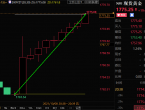
The global energy crisis threatens supply, and U.S. oil has risen by 5% this week and once rose to the 80 mark

Eden

Oct 26, 2021 11:00

On Friday (October 8) U.S. crude oil rose 1.29 US dollars in late trading, or 1.65%, to close at 79.59 US dollars per barrel. The cumulative increase this week was 5.08%, marking the seventh consecutive week of gains, the longest consecutive week since December last year. rise. Oil prices rose by 0.63 US dollars, an increase of 0.77%, to close at 82.58 US dollars per barrel, a cumulative increase of 4.22% this week. US gasoline futures also closed at their highest level since October 2014. While the global energy crisis boosted demand, OPEC+ oil-producing countries still maintained tight supply. At the same time, the US Department of Energy stated that it has not announced immediate actions to lower oil prices, such as releasing strategic oil reserves. This further supports the oil market.

In the face of improving fuel demand, the energy market has tightened, and many people worry that the cold winter may further tighten the supply of natural gas. The rise in oil prices was stimulated by the soaring prices of natural gas in Europe, which prompted power generation companies to switch to oil for power generation. There are many signs this week that supply will still be restricted. Saudi Aramco said the global natural gas shortage has boosted crude oil demand for power generation and heating.

John Kilduff, a partner of Again Capital in New York, said that the fundamental background is tight supply, which will continue to push crude oil prices to rise steadily. The soaring natural gas price indicates a surge in demand for crude oil this winter.

On Friday, the call option premium exceeded the put option premium for the first time since October 2019. The bullish trade in the oil options market has been very active in recent weeks. Thousands of contracts were traded last week. If the oil price rises to US$100 or even US$200 per barrel, profits will be made. On Tuesday, WTI call options volume reached its highest level since March 2020. In the past 7 days, the open interest of call options with strike prices ranging from $90 to $95 has increased by approximately 23,000.

ICAP energy expert Scott Shelton said that severe winter weather "increased the upside potential of this market, and this skew will last for several months." The so-called call skew means that call options are more expensive than similar put options. The situation is extraordinary in the crude oil market. Generally, put options are more expensive, which partly reflects the tendency of producers to buy put options to hedge their output.

According to the US Commodity Futures Trading Commission (CFTC) data, as of the week of October 5, the speculative net long position of WTI crude oil futures increased by 8,902 to 325,578. The Brent crude oil net long position held by speculators on the Intercontinental Exchange (ICE) increased by 3,723 contracts to 332,677 contracts, a record high in more than six months.

US Baker Hughes Oil Services said that as of October 8, the total number of wells drilled in the United States was 533, which is the fifth consecutive week of adding rigs. The total number of oil rigs was 433, an increase of 5 from last week.

(U.S. Oil Hour Chart)