• English
  • 简体中文
  • 繁體中文
  • Tiếng Việt
  • ไทย
  • Indonesia
Subscribe
Real-time News
On May 17th, CNN reported that multiple sources familiar with the matter revealed that U.S. officials suspect Iranian hackers may be behind a series of intrusions into fuel storage monitoring systems at gas stations in multiple states. Sources stated that the hackers exploited security vulnerabilities in the Automated Tank Measurement (ATG) systems, which are directly connected to the internet and lack password protection. This allowed hackers to gain access and, in some cases, even tamper with the data displayed on the tanks, without altering the actual fuel levels inside. There is currently no indication that these cyber intrusions caused any physical damage or personal injury. However, private security experts and U.S. officials have stated that these incidents have raised security concerns because, theoretically, gaining access to the ATG system could prevent fuel leaks from being detected in a timely manner.According to local media reports, a fire broke out at the Olmeca oil refinery in Mexico early Saturday morning.On May 17th, the Trump administration allowed a sanctions waiver that encouraged the sale of Russian crude oil to expire, despite concerns about tightening global oil supplies and rising fuel costs stemming from the Iran war. This expiration effectively ended the Trump administrations brief easing of sanctions on Russian oil. During this period, previously prohibited oil purchases were permitted. The Trump administration first issued waivers in March of this year, and then renewed them after the initial waivers expired in April. However, both waivers only applied to a portion of Russian crude oil already loaded onto tankers. These waivers have been highly controversial, particularly among the USs European allies. Europe argues that sanctions are a crucial means of cutting off Russian oil revenues and weakening Moscows ability to finance the Russia-Ukraine conflict. However, some countries, including India and Indonesia, have been lobbying the Trump administration to extend the sanctions waivers.Israel Defense Forces: Initial reports indicate that alarms have been raised regarding enemy aircraft infiltration in the Shlomi and Hanita areas. Further details are under investigation.Rocket sirens sounded in Hanita, northern Israel.
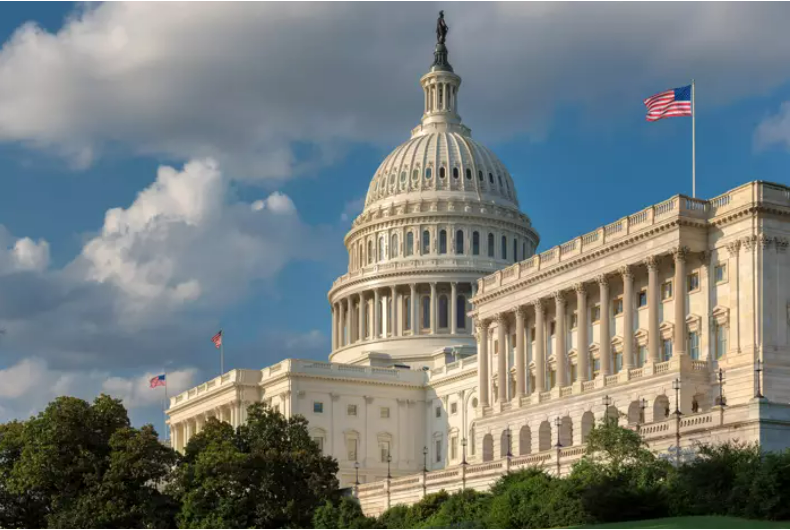
Lummis and Gillibrand Bill Aims to Give Crypto Oversight to the CFTC

Jimmy Khan

Jun 09, 2022 14:47

微信截图_20220609140545.png


With the collapse of TerraUSD (UST) and Terra LUNA in recent weeks, governments and authorities have been rushing to enact new crypto legislation. As the SEC v Ripple (XRP) lawsuit grinds on, both the CFTC and the SEC have been loud.


Some governments started working on establishing a more sophisticated crypto regulatory framework earlier than others.


With the issue of the White House Executive Order in March, the Biden Administration pushed cryptos front and center in the United States.


While the Executive Order did not specify who should be in charge of regulating the crypto industry, the administration recognized the necessity for legislators to create a legal framework.


Senators from both parties submitted a measure this week to address the difficulties that the crypto business confronts in the United States.


Lummis and Gillibrand are two of the most well-known politicians in the United States. Introduce a Bipartisan Bill to Regulate Cryptocurrencies

Kirsten Gillibrand, a Democrat, revealed in March that Congress is working on a "broad-based regulatory framework for how this business might possibly be governed in the future."


"Other aspects will be controlled by the Commodity Futures Trading Commission, and some sections will be regulated by the Securities and Exchange Commission," Gillibrand allegedly remarked at the time.


This week, news broke that US politicians are considering putting the CFTC in charge of cryptos and other digital assets.

The Responsible Financial Innovation Act was introduced by Senators Cynthia Lummis and Kirsten Gillibrand of the United States. 

The law would grant the CFTC authority over digital assets.


While cryptocurrency firms support the CFTC, legislators are uncertain. Indecisiveness has created a regulatory black hole in the digital asset industry.


A resolution to the categorization of cryptos and NFTs would be a step in the right direction for the digital asset industry, which includes both crypto and NFTs.


The Securities and Exchange Commission is now engaged in a protracted legal dispute with Ripple Labs over the selling of XRP, arguing that XRP is a security rather than a commodity.


The enactment of a law may be too late for Ripple Lab and XRP. However, it remains to be seen if the conclusion of the SEC v Ripple lawsuit would have any impact.


A Ripple win, whether via a settlement or in court, would strengthen the CFTC's position.


The crypto market is still beset by regulatory uncertainty. The crypto market should benefit from progress toward turning over the reins to the CFTC.